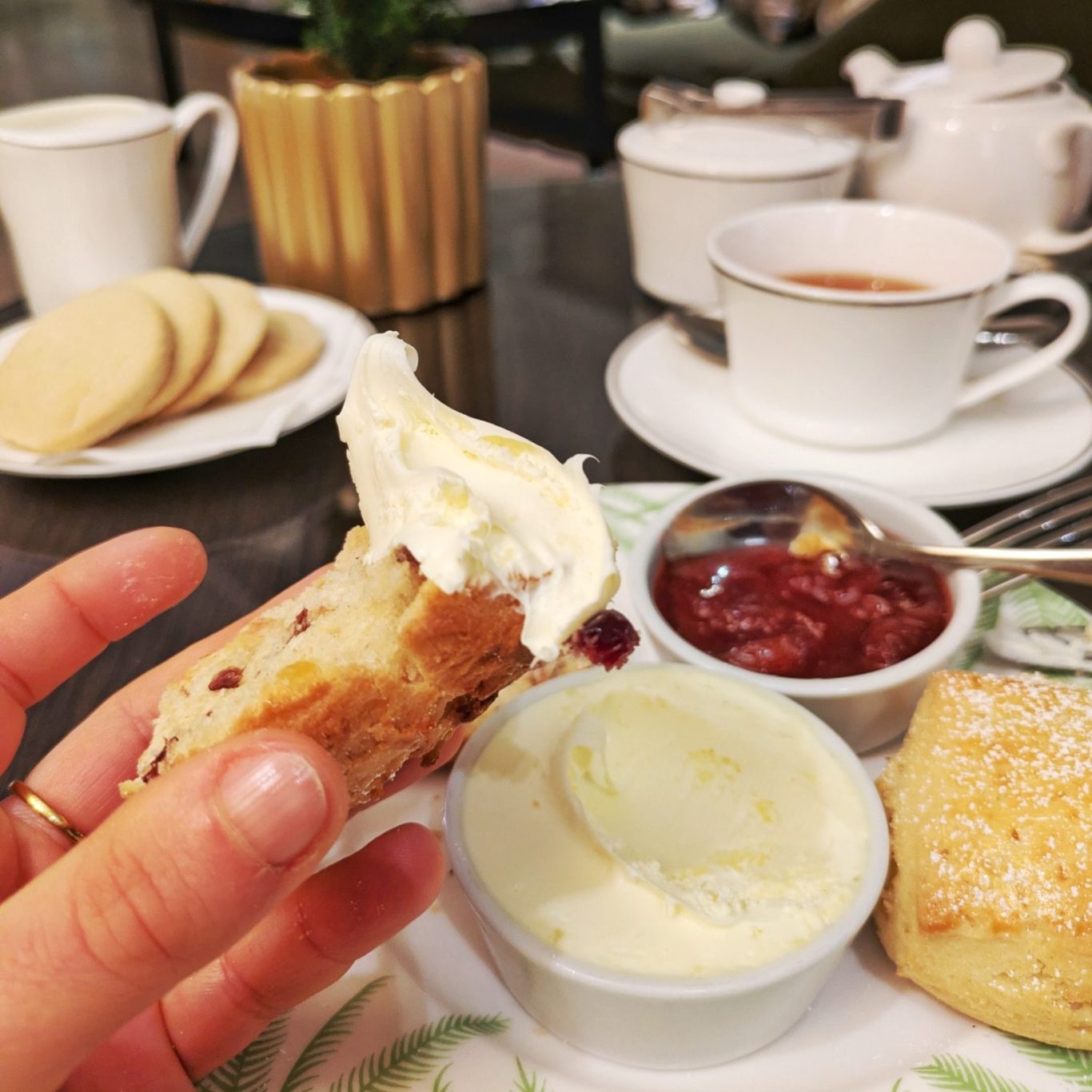
Clotted Cream from Rodda’s?
Last Week’s Delights.
When you read this, I will be somewhere in the Lowlands of Scotland—happily escalating my way through a cheese trip I’ve been looking forward to for weeks. I arrived in Leith on Friday with a bundle of plans, dropped my bags, and immediately headed to Mellis before driving on to North Berwick… it all escalated rather quickly. But I’ll share the full story of my Scottish cheese journey once it’s over.
Four days of intense “escalation” while meeting remarkable people from Scotland’s cheese world is no exaggeration. And for that, meticulous preparation is essential: countless emails, calls, and logistical puzzle pieces. And because—what a delightful coincidence—my Scotland trip happens to fall on St. Nicholas, I decided to finally fulfil a childhood dream: having Cream Tea at the Balmoral Hotel on this special day.
Once in a lifetime…

Is Balmoral's cream also sparkling?
To be honest, it was nearly impossible to secure one of the last remaining spots—but I did it. Yesterday, at 12 o’clock, in the Gallery Room. Just me, the Balmoral, exquisitely fresh-baked scones and—yes, you guessed it—clotted cream.
I felt certain there had to be excellent clotted cream in Scotland for my long-awaited Cream Tea at the Balmoral. Especially with the hotel’s reputation! Curious how “the Balmorals” might prepare their cream, I called them on Tuesday morning, introduced myself, and asked about their recipe. I was immediately put through to the Head Chef.
“No, Miss, we do everything ourselves, but the clotted cream is from Rodda’s.”
Wait—what!? The Balmoral doesn’t make its own clotted cream? A small nightmare for a cheese-and-cream obsessive like me.
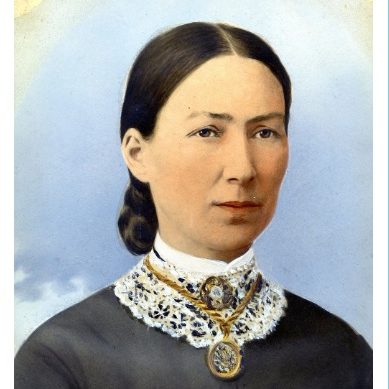
Eliza Jane Rodda appears everywhere in Rodda’s marketing narrative—her presence is woven into every chapter of the company’s story.
So I did some research on the company: in 1890, the Rodda family began making Cornish clotted cream in the heart of Cornwall. More than 120 years and five generations later, they are still crafting it in the same way. My nerves began to settle a little. The cream is still produced in Cornwall, using milk from 52 farms within a 30-mile radius—“family farmers,” as they emphasise.
But the fact that—despite the carefully maintained family myth surrounding founder Eliza Rodda—the cream is now exported to Japan, Hong Kong, and the US left me a little sceptical.
Did I enjoy the clotted cream yesterday? The answer will follow after a short…
Cheesy Background: The Cream of the Cream.
In fact, clotted cream is not a cheese. It is a dairy preparation—one whose method stretches back almost as far as cheesemaking itself. After it was introduced to England—experts still argue whether it was truly the Phoenicians who brought it—clotted cream became deeply entwined with British food culture, especially in the ritual of cream tea. What is certain: it evolved into a traditional specialty of Southwest England and has been produced in the counties of Devon and Cornwall for centuries.
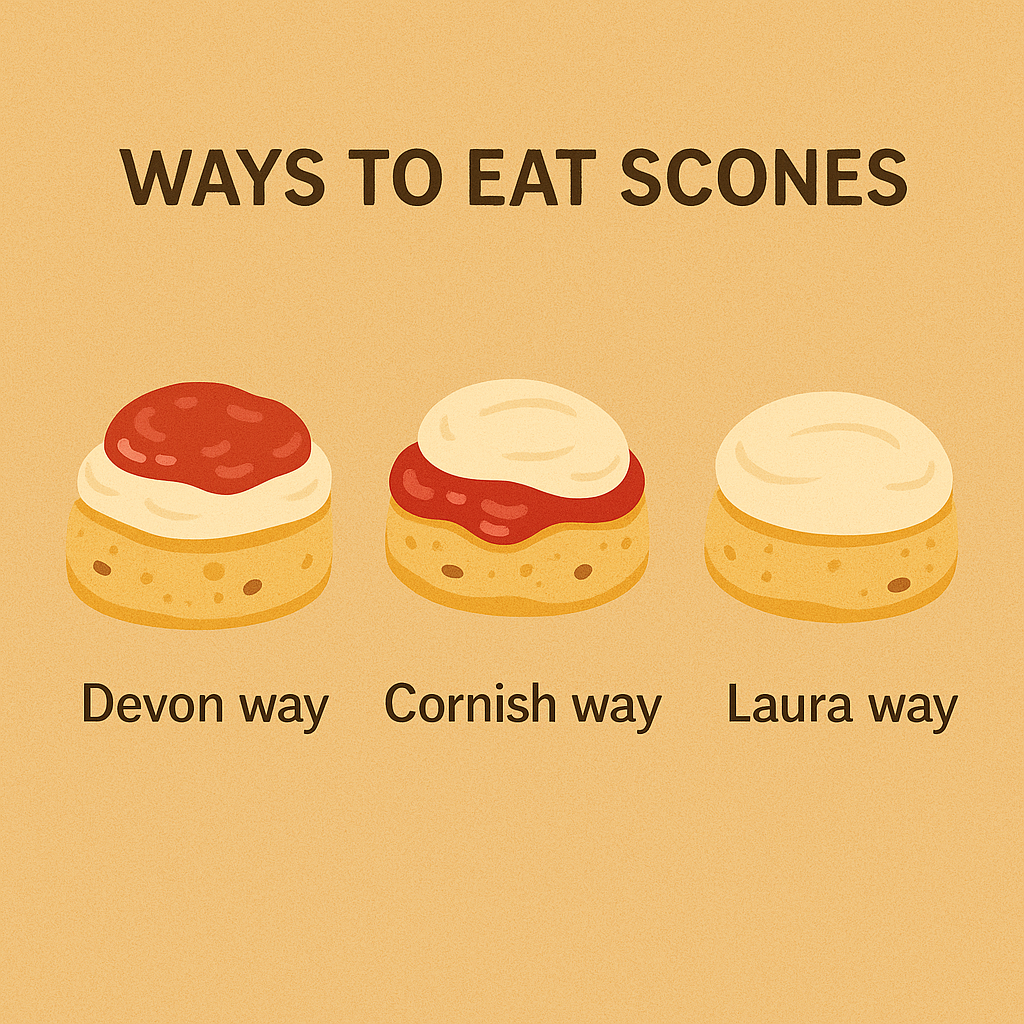
Originally, the purpose of making clotted cream was simply to extend the shelf life of milk. A time-consuming process, at the end of which the thick, golden cream is gently lifted off with a spoon—only to become the centrepiece of a charming cultural tug-of-war between the two counties: jam first or cream first? If I may put my own hat in the ring here: Focus on the fat!
Who needs the sweet addition when outstanding clotted cream can shine entirely on its own with its full-bodied, slightly nutty perfection?
Originally, clotted cream was made from fresh, untreated raw milk with a fat content of at least 3.5%. On farms, it was prepared on wooden stoves or over open fires. The milk was placed in large, shallow metal pans or earthenware pots and set over the residual heat of the hearth after other foods had been cooked. The slow, gentle rise in temperature—whether in the past or today—is crucial: it allows the fat to separate without causing the milk to curdle. Overnight, the milk cools in a cold room, and the thick layer of cream—the cream of the cream—is skimmed off the top.
This method stems from a time before industrial dairying, when cows were milked fresh each morning. One of the oldest known recipes, from 1670, appears in Hannah Wolley’s The Queen-Like Closet and calls specifically for “full-fat cow’s milk from the early morning, because there is often more fat which is squeezed at night into the milk.”
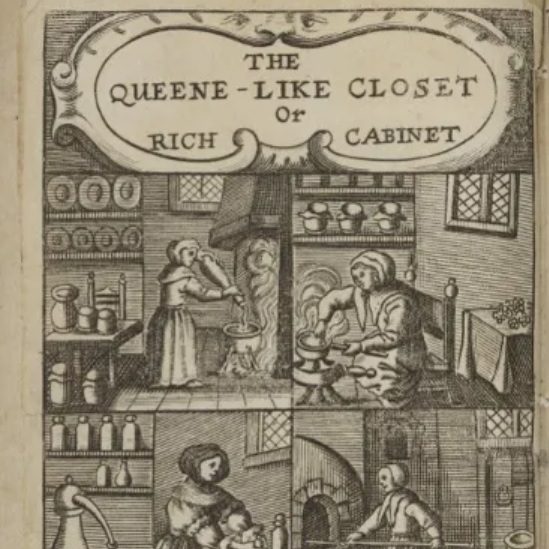
Hannah Wolley’s The Queen-Like Closet from 1670.
Today, clotted cream is often made from cream rather than fresh morning milk—simply because the latter is inaccessible to most of us. With its significantly higher fat content of around 30%, cream yields nearly three times as much clotted cream as even the richest milk.
New Cheese Stories on the Board
Amid all this milky fascination surrounding a British cultural icon, I somehow managed to refocus on an entirely different story: the history of medieval Swedish cheesemaking. And I had support from none other than Stockholm historian Martin Ragnar.
But now, back to my St. Nicholas cream tea at the Balmoral yesterday: yes, it was epic! The splendour of what was once the North British Station Hotel, with its clock tower reminiscent of Big Ben (and speaking of Big Ben: one of the most remarkable cheeses from the Swedish dairy Jürss carries this name—rightly so), was one thing.
An excellent clotted cream – convenience product or not – was another.
This glorious little boost was more than necessary, because I’ve set myself quite a few goals for my time here in Scotland. And I will, of course, report back in full detail!
Don’t forget: Great things take time.
Yours truly, Laura